Inside ASTM F37: Light Sport Aircraft
The ASTM F37 Committee on Light-Sport Aircraft represents a unique intersection of engineering rigor, regulatory pragmatism, and passionate aviation advocacy. As someone deeply involved in this work, I've witnessed firsthand how consensus standards can democratize access to flight while maintaining uncompromising safety standards.
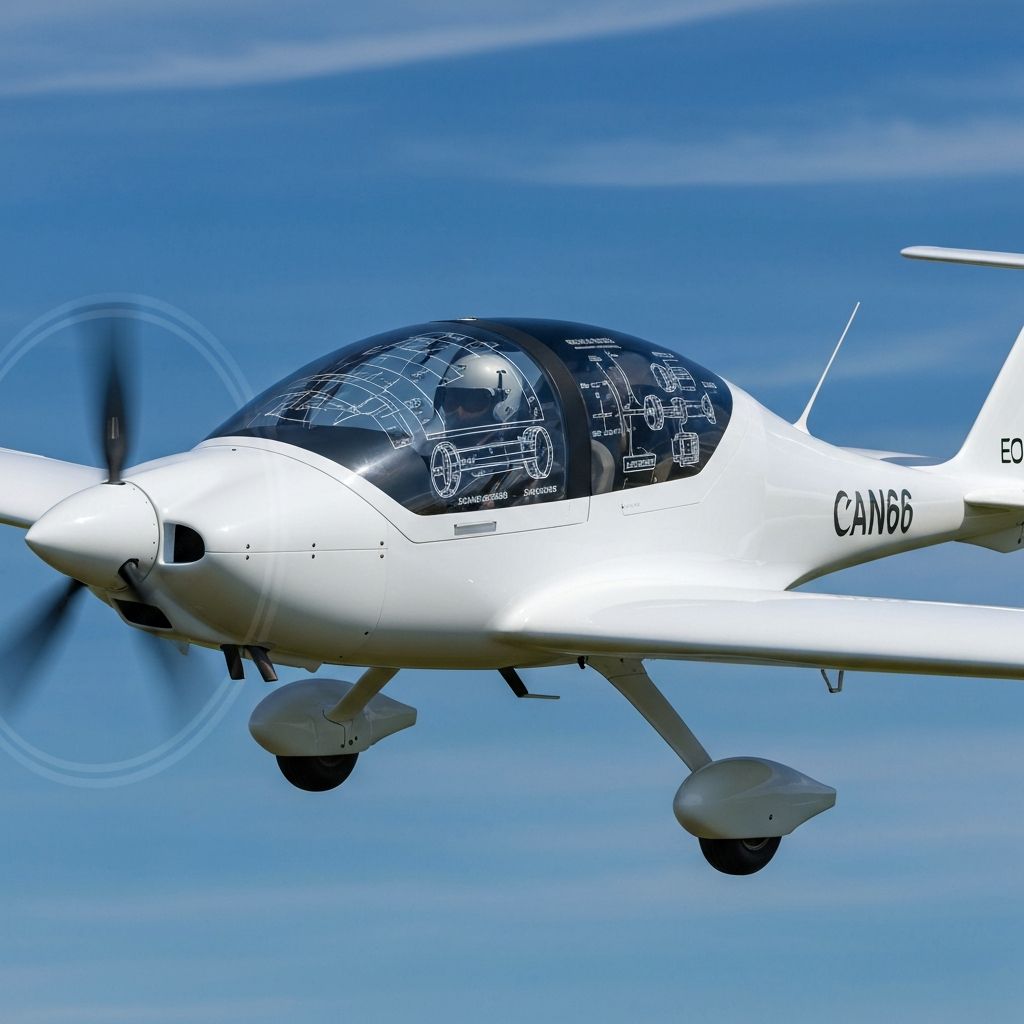 Light sport aircraft engineering
The LSA Revolution
When the FAA introduced the Light-Sport Aircraft category in 2004, it fundamentally changed general aviation. The key innovations included:
- 1Consensus Standards: Industry-developed specifications replacing traditional type certificates
- 2Simplified Certification: Manufacturer self-certification against ASTM standards
- 3Weight-Based Classification: Maximum 1,320 lbs for land aircraft, enabling innovative designs
Technical Standards Framework
The F37 committee maintains several critical standards, with F2245 serving as the foundational design and performance specification. Here's a simplified compliance verification approach:
// Example: LSA Weight Limit Validation
interface LSAAircraft {
  maxWeight: number;
  powerplantType: 'reciprocating' | 'electric';
  seatingCapacity: number;
  vne: number; // Velocity Never Exceed (knots)
}

function validateLSACompliance(aircraft: LSAAircraft): boolean {
  const checks = {
    weightLimit: aircraft.maxWeight <= 1320,
    seating: aircraft.seatingCapacity <= 2,
    speedLimit: aircraft.vne <= 120,
    singleEngine: true // Simplified check
  };

  return Object.values(checks).every(check => check);
}

const myDesign: LSAAircraft = {
  maxWeight: 1290,
  powerplantType: 'reciprocating',
  seatingCapacity: 2,
  vne: 115
};

console.log(`Compliant: ${validateLSACompliance(myDesign)}`);
Safety Through Innovation
"The genius of the consensus standards approach is that it harnesses collective industry expertise while remaining nimble enough to incorporate emerging technologies like electric propulsion and advanced composites."
Recent committee work has focused on electric propulsion systems, addressing unique considerations like:
- Battery thermal management and fire safety protocols
- Emergency power availability requirements
- Novel failure mode analysis for integrated motor controllers
Looking Forward
The F37 committee continues to evolve, with ongoing discussions about autonomous flight systems, expanded weight limits, and integration with urban air mobility concepts. For those interested in participating, ASTM meetings are open to all stakeholders. Learn more at ASTM International's F37 page. The intersection of regulatory frameworks and engineering innovation remains one of aviation's most exciting frontiers.